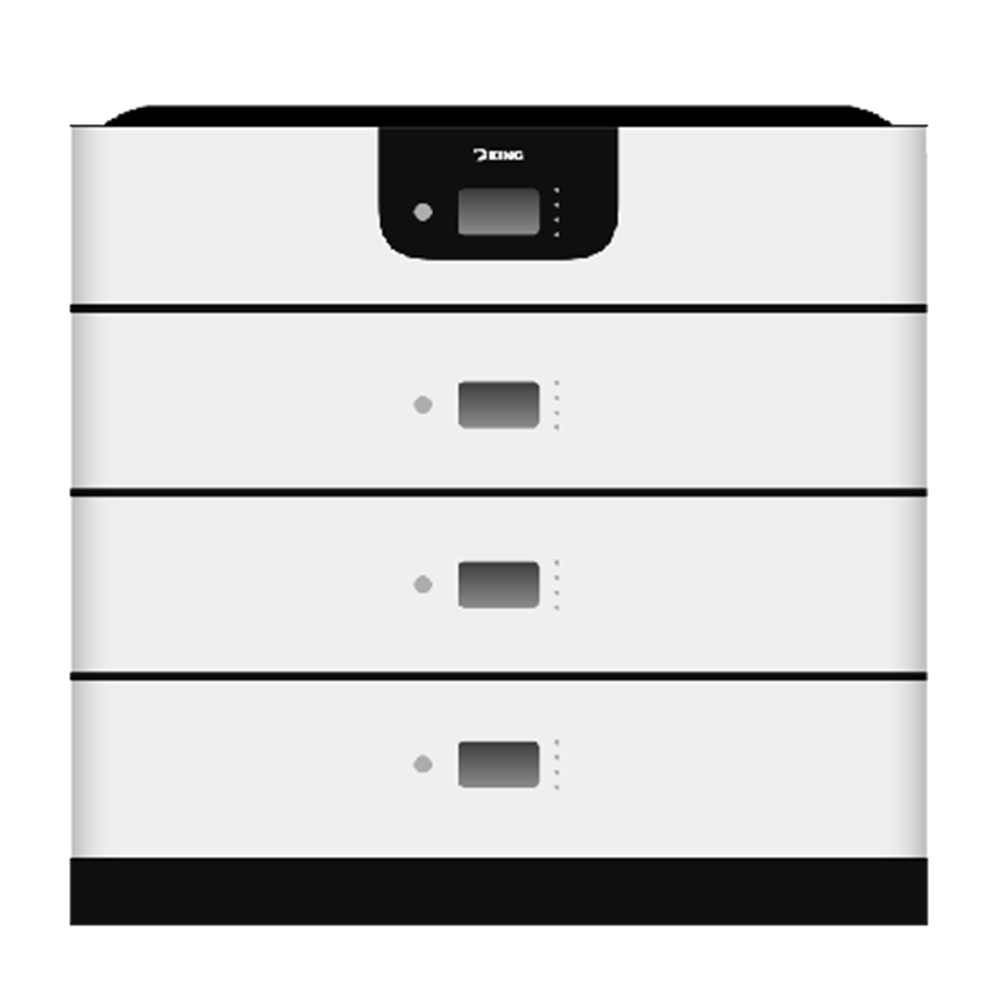
**Utility Scale Batteries: Powering the Future of Energy Storage**In the rapidly evolving energy landscape, utility scale batteries have emerged as a pivotal technology, revolutionizing how electricity is stored and distributed. These large-scale energy storage systems are integral to ensuring grid stability, enhancing renewable energy integration, and providing reliable power supply in an era increasingly dominated by clean energy sources.Utility scale batteries are designed to store vast amounts of electricity generated from renewable sources such as solar and wind. Unlike smaller residential batteries, these systems operate on a much larger scale, often connected directly to the grid to provide services such as frequency regulation, peak shaving, and backup power during outages. By storing excess energy when production surpasses demand, these batteries play a critical role in balancing supply and demand, mitigating the intermittent nature of renewable energy.The rise of utility scale batteries is closely tied to the global push towards decarbonization and the transition to renewable energy. As solar and wind installations grow worldwide, the challenge of integrating these variable energy sources into the existing power grid becomes more complex. Utility scale batteries offer a viable solution by acting as buffers, smoothing out fluctuations in power generation and ensuring a steady flow of electricity.One of the key advantages of utility scale battery systems is their ability to deliver rapid response times. In comparison to traditional power plants, which can take minutes or even hours to ramp up production, batteries can inject power into the grid almost instantaneously. This rapid response capability is essential for maintaining grid frequency and preventing blackouts.Moreover, advancements in battery technology, particularly lithium-ion chemistry, have dramatically improved the efficiency, lifespan, and safety of utility scale batteries. These improvements have been coupled with declining costs, making utility scale battery installations increasingly economically viable. As a result, utilities and independent power producers are investing heavily in these systems as a cornerstone of modern energy infrastructure.The deployment of utility scale batteries also supports grid resilience. In regions prone to natural disasters or grid instability, these batteries can provide critical backup power, enhancing energy security. Additionally, they enable microgrid operations, allowing communities and industrial facilities to operate independently from the main grid when necessary.Utility scale batteries are not only transformative from a technical perspective but also hold significant economic benefits. By reducing reliance on fossil fuel peaking plants, which are often expensive to operate and subject to fuel price volatility, battery systems can lower overall electricity costs. Furthermore, they enable greater utilization of renewable energy assets, thus maximizing return on investment for clean energy projects.As governments worldwide implement policies to encourage clean energy adoption and carbon reduction, utility scale battery projects are gaining momentum. Incentives, subsidies, and favorable regulatory frameworks are accelerating deployment, fostering innovation, and market competition.The future of utility scale batteries is promising, marked by ongoing research and development aimed at next-generation technologies such as solid-state batteries, flow batteries, and advanced lithium-ion variants. These innovations promise higher energy densities, longer durations, and improved safety profiles.In summary, utility scale batteries represent a cornerstone technology in the transition towards a sustainable, resilient, and efficient energy future. Their ability to store and dispatch electricity at scale addresses critical challenges posed by renewable energy integration and grid reliability. As technology advances and costs continue to decline, utility scale battery systems are poised to become ubiquitous components of the global power infrastructure, powering economies and communities with clean, reliable energy.---*Company Introduction*{}
Read More